
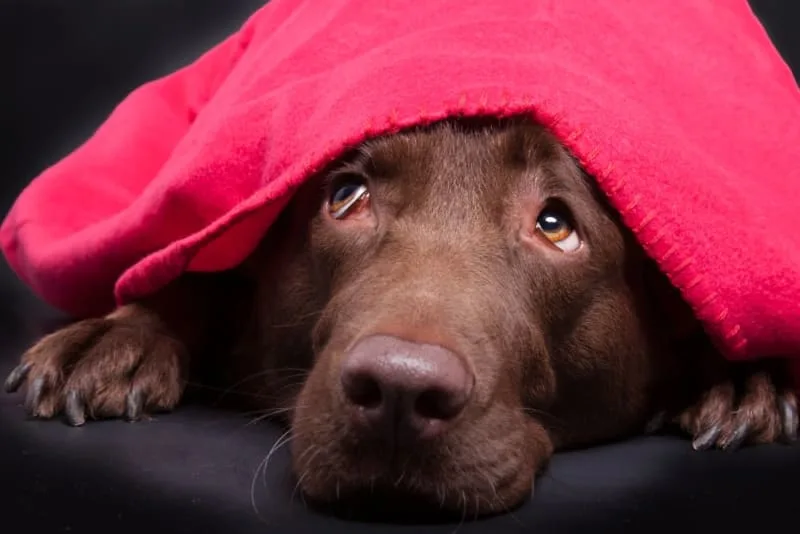
Dogs can suffer from urinary tract infections (UTIs) and they tend to be painful. Here, our Clackamas vets explain urinary tract infections in dogs and the treatment options available.
Causes of Urinary Tract Infections (UTI) in Dogs
Approximately 27% of dogs will develop a urinary tract infection (UTI) at some point in their life, with a large percentage of those being caused by a bacterial infection. However, there are several other reasons why your dog may be suffering from the uncomfortable symptoms of a UTI including:
Viral infection
Urinary stones
Crystals
bladder inflammation
Weak bladder
Fungal infection
Kidney disease
spinal cord disease
Prostrate disease
Cancer
Signs & Symptoms Of A UTI
Symptoms of a UTI in dogs can be distressing for pet parents, as well as uncomfortable for your pet. If your canine companion has a UTI you may notice one or more of the following symptoms:
Frequent urination
Excessive thirst
Accidents in the house
Dribbling urine
Loss of bladder control
Blood in urine
Signs of pain while urinating
Licking excessively following urination
Treatment Of UTIs For Dogs
If your dog has a UTI it is essential to see your vet so that the cause of your dog's symptoms can be diagnosed.
The treatment recommended to clear up your dog's UTI will be determined by the underlying cause of your dog's symptoms.
Pain Management
A UTI is can be a very painful condition for your dog to deal with. To help relieve pain caused by UTIs your vet may prescribe anti-inflammatories for your pet, or in severe cases stronger painkillers may be administered by injection.
Antibiotics
If your dog's UTI is caused by a bacterial infection, your vet may prescribe a round of antibiotics for your pet. If your vet prescribes antibiotics for your dog's UTI you can expect to see an improvement within a couple of days. However, it's important to continue antibiotic treatment until the full prescription has been used up. Ending treatment early can lead to reinfection which may be harder to fight.
Treatment for Underlying Conditions
Underlying conditions such as diabetes or Cushing's disease can lead to recurring urinary tract infections in dogs. If your dog has an underlying health condition, treatment may focus primarily on the underlying condition as a means of stopping the infections from happening. In some dogs, prostate disease can be controlled with chemical or surgical castration, and the growth of bladder tumors may be slowed with medications.
Dietary Modifications
For some dogs, a diet specially formulated to alter urine acidity, and prevent stone formation can help to reduce the inflammation that can lead to UTIs in dogs. Supplements may also help to encourage your dog to drink more to dilute the urine.
Surgery
Large urinary stones which persist despite dietary modifications may need to be surgically removed. Dogs typically handle this surgery well and see an improvement in 1-2 weeks. In some cases, stones may be analyzed to determine the most appropriate ongoing treatment for your dog.
Urethral Sphincter Medication
Your vet may prescribe medication to help 'tighten' your dog's urethra to help control the release of urine. This treatment is typically used in dogs experiencing incontinence with no detectable underlying cause.
Bladder Support Medications & Supplements
Your dog may benefit from ongoing treatment with antioxidant, probiotic, and prebiotic supplements which aim to support the gut 'good bacteria' and improve the overall condition of your dog's gut lining. If you'd like to give your dog supplements, be sure to speak to your veterinarian first to prevent problematic drug interactions from occurring.
100% Pure Cranberry Juice
Cranberry juice is frequently used to fight urinary tract infections in people, and can sometimes help fight UTIs in dogs. It is believed that pure cranberry juice can help to prevent harmful bacteria from adhering to the wall of your dog's bladder, meaning that it can be flushed out of your dog's system faster. Consult your vet before giving your dog cranberry juice, or any other natural treatments.
Prevention For UTIs
If your dog is displaying symptoms of a urinary tract infection it is essential to seek veterinary care. UITs can be a symptom of a very serious underlying condition, and left untreated a UTI could go on to cause more serious conditions such as kidney disease.
Note: The advice provided in this post is intended for informational purposes and does not constitute medical advice regarding pets. For an accurate diagnosis of your pet's condition, please make an appointment with your vet.
If your believe your dog has a urinary tract infection, contact our Clackamas vets for an appointment today!
